Limited time offer! 25% off your first order



Dry eyes are one of the most common eye complaints in the UK. If your eyes feel gritty, irritated, tired or watery, you may be experiencing dry eye syndrome.
Whether you wear contact lenses, work long hours on a screen, or spend time in centrally heated rooms, dry eyes can affect your comfort and vision quality.
In this detailed UK guide, we explain:
- What causes dry eyes
- Common symptoms
- How to treat dry eyes effectively
- When to see an optician
- The best prevention tips for long-term relief
What Is Dry Eye Syndrome?
Dry eye syndrome occurs when your eyes either:
- Do not produce enough tears, or
- Produce poor-quality tears that evaporate too quickly.
Tears are essential for:
- Keeping the surface of your eyes smooth
- Protecting against infection
- Washing away debris
- Providing clear vision
When your tear film becomes unstable, discomfort begins.
Dry eye is particularly common in the UK due to indoor heating, screen-heavy lifestyles, and seasonal weather changes.
Common Causes of Dry Eyes in the UK
1. Prolonged Screen Time
Digital screens are one of the biggest causes of dry eyes today.
When using computers, tablets, or phones:
- We blink up to 50% less
- Tears evaporate faster
- The eye surface dries out
Office workers and remote professionals are especially at risk.
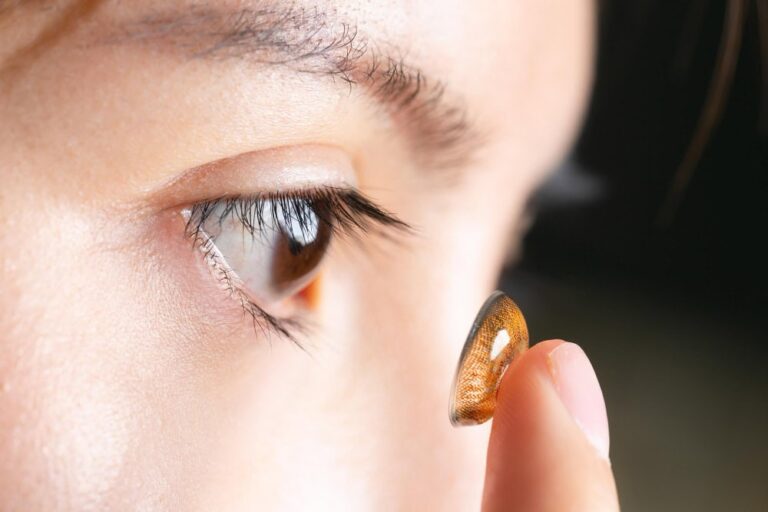
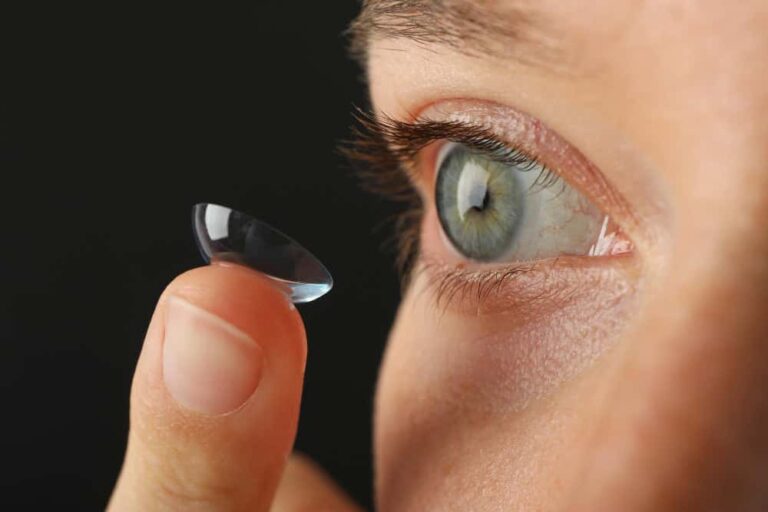
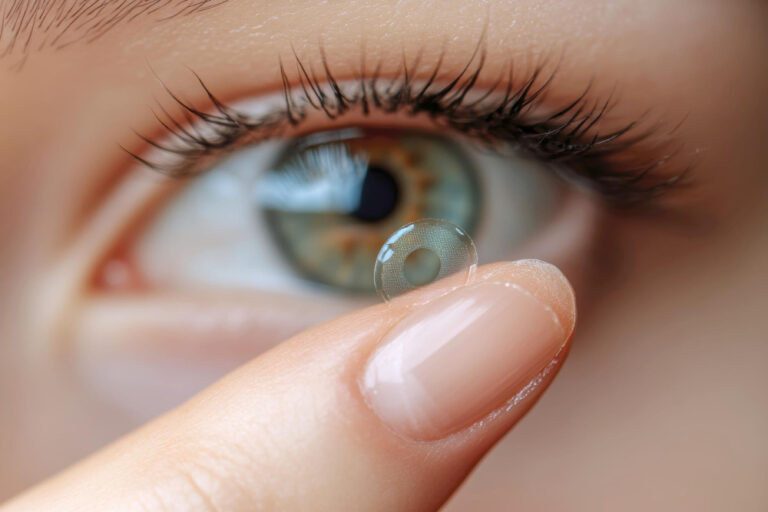
2. Contact Lens Wear
Contact lenses sit directly on the tear film and can:
- Absorb moisture
- Reduce oxygen flow
- Increase tear evaporation
Poor lens hygiene or overwearing lenses can worsen dryness.
3. Central Heating & Air Conditioning
In the UK, central heating in winter and air conditioning in summer reduce humidity levels indoors.
Dry air leads to:
- Faster tear evaporation
- Increased irritation
4. Ageing
Dry eyes become more common after age 40, especially in women due to hormonal changes.
5. Wind & Cold Weather
Cold winds during autumn and winter in the UK can strip moisture from the eyes quickly.
6. Medical Conditions
Dry eyes may be linked to:
- Blepharitis
- Meibomian gland dysfunction
- Diabetes
- Autoimmune conditions
If dryness is persistent, consult an optician or GP.
Symptoms of Dry Eyes
Dry eye symptoms can vary from mild irritation to significant discomfort.
Common symptoms include:
- Burning or stinging sensation
- Gritty or sandy feeling
- Redness
- Blurred vision that improves after blinking
- Sensitivity to light
- Watery eyes (reflex tearing)
- Tired eyes
Watery eyes may sound surprising, but they often occur because the eye overproduces poor-quality tears in response to dryness.
How to Treat Dry Eyes in the UK
1. Use Lubricating Eye Drops (Artificial Tears)
The most effective first-line treatment is preservative-free artificial tears.
Look for drops that:
- Are suitable for contact lens wearers
- Provide long-lasting hydration
- Are preservative-free for frequent use
Use 2–4 times daily or as directed.
2. Follow the 20-20-20 Rule
To reduce screen-related dryness:
Every 20 minutes:
- Look 20 feet away
- For at least 20 seconds
This helps restore natural blinking.
3. Increase Humidity Indoors
Using a humidifier can help reduce tear evaporation, especially in centrally heated homes.
4. Stay Hydrated
Drink adequate water daily. Dehydration reduces tear production.
5. Adjust Your Workspace
- Lower screen brightness
- Position screen slightly below eye level
- Avoid direct airflow to your face
6. Warm Compresses
A warm compress applied for 5–10 minutes can help unblock oil glands and improve tear quality.
Best Eye Drops for Dry Eyes (UK Advice)
When choosing eye drops:
✔ Preservative-free options are best for frequent use
✔ Suitable for sensitive eyes
✔ Compatible with contact lenses
Avoid redness-reducing drops for long-term dryness — they only mask symptoms.
If unsure, speak to your pharmacist or optician.
When Should You See an Optician?
Seek professional advice if:
- Symptoms last longer than 2–3 weeks
- You experience pain
- Vision becomes consistently blurred
- Light sensitivity increases
- Dryness interferes with daily life
Persistent dry eye may require specialised treatment such as prescription drops or lid therapy.
Can Dry Eyes Damage Your Vision?
Mild dry eye usually does not cause permanent damage.
However, untreated severe dry eye can:
- Increase infection risk
- Cause corneal surface damage
- Affect vision quality
Early treatment is important.
How to Prevent Dry Eyes Long-Term
Here are long-term prevention strategies:
- Replace contact lenses as advised
- Never sleep in lenses unless approved
- Maintain good lens hygiene
- Take regular screen breaks
- Protect eyes from wind
- Attend regular eye examinations
Final Thoughts
Dry eyes are extremely common in the UK, especially among contact lens wearers and office workers.
The good news? Most cases are manageable with:
- Proper hydration
- Quality lubricating drops
- Good lens hygiene
- Lifestyle adjustments
If symptoms persist, always seek professional advice.
Taking care of your eyes today protects your vision for the future.