Limited time offer! 25% off your first order


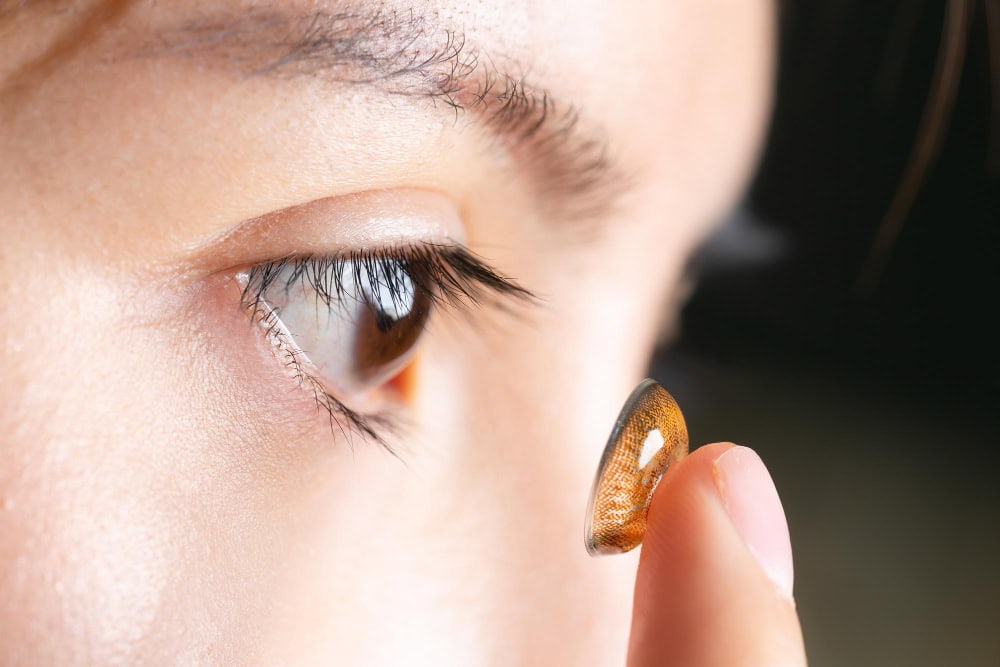
Wearing contact lenses should feel comfortable and natural. In fact, properly fitted contact lenses should be almost unnoticeable throughout the day.
If your lenses feel uncomfortable, move around excessively, cause blurred vision or leave your eyes red and irritated, they may not be fitting correctly.
In this detailed UK guide, we explain:
- Signs your contact lenses don’t fit properly
- Why lens fit is so important
- The risks of wearing poorly fitted lenses
- What to do if your lenses feel uncomfortable
- When to see an optician
Why Proper Contact Lens Fit Matters
Contact lenses are medical devices. They sit directly on your cornea (the clear front surface of your eye). For safe and comfortable wear, lenses must match:
- The curvature of your eye (base curve)
- The diameter of your cornea
- Your prescription
- Your oxygen requirements
An incorrect fit can:
- Reduce oxygen flow to the eye
- Cause friction on the cornea
- Increase infection risk
- Lead to long-term eye damage
That’s why lenses should always be prescribed and fitted by a qualified UK optician.
Signs Your Contact Lenses Don’t Fit Properly
1. Constant Discomfort or Pain
Contact lenses should not hurt.
If you feel:
- Sharp pain
- Persistent irritation
- Burning sensation
- A feeling of something “stuck” in your eye
Your lens may be too tight, too loose, or unsuitable for your eye shape.
Mild awareness is normal at first — pain is not.
2. Blurred or Fluctuating Vision
If your vision:
- Goes blurry throughout the day
- Clears when you blink
- Feels unstable
Your lenses may be moving excessively or not sitting correctly on the eye.
Poor fit can affect how light enters your eye, causing inconsistent vision.
3. Redness That Doesn’t Go Away
Temporary redness can occur due to dryness or fatigue.
However, ongoing redness may indicate:
- Poor oxygen flow
- Tight lens syndrome
- Inflammation
If redness persists after removing your lenses, stop wearing them and seek advice.
4. Lens Movement or Slipping
A properly fitted contact lens should:
- Move slightly when you blink
- Stay centred on your eye
If your lens:
- Slides off-centre
- Feels like it’s moving around
- Falls out easily
It may be too loose.
Excessive movement can cause irritation and unstable vision.
5. Excessive Dryness
If your lenses feel dry within a few hours of insertion, this could indicate:
- Poor lens material compatibility
- Incorrect fit
- Insufficient tear film coverage
Modern lenses are designed to retain moisture, but improper fit can worsen dryness symptoms.
6. Light Sensitivity
Increased sensitivity to light (photophobia) can signal:
- Corneal irritation
- Surface damage
- Infection
This is not normal and requires professional assessment.
7. Indent Marks After Removal
If you notice visible ring marks on your eye after removing lenses, this may indicate the lens is too tight.
A lens that is too tight can restrict oxygen flow and cause long-term issues.
What Causes Poor Contact Lens Fit?
Common causes include:
- Switching brands without professional advice
- Ordering lenses online without updated prescription
- Using expired lenses
- Wearing lenses beyond recommended replacement schedule
- Changes in eye shape over time
Even if your prescription hasn’t changed, your lens fit may need adjusting.
Risks of Wearing Contact Lenses That Don’t Fit
Ignoring symptoms can lead to:
- Corneal abrasions
- Infections (such as keratitis)
- Corneal ulcers
- Reduced oxygen supply (hypoxia)
- Long-term vision damage
Serious complications are rare but can occur if poor fit is not addressed.
What Should Contact Lenses Feel Like?
Properly fitted lenses should:
✔ Feel comfortable
✔ Stay centred
✔ Provide stable, clear vision
✔ Not cause redness
✔ Not cause pain
You should be able to wear them throughout the recommended period without significant irritation.
What To Do If Your Lenses Feel Wrong
If you suspect poor fit:
- Remove the lenses immediately
- Do not continue wearing them
- Check that the lens is not inside-out
- Inspect for damage or debris
- Book an eye examination
Never continue wearing painful or uncomfortable lenses.
Can Contact Lens Fit Change Over Time?
Yes.
Your eyes can change due to:
- Age
- Hormonal changes
- Dry eye development
- Medical conditions
- Long-term screen use
Regular eye examinations in the UK are recommended at least every 1–2 years, or as advised by your optician.
When Should You See an Optician?
Seek professional advice immediately if you experience:
- Persistent pain
- Severe redness
- Discharge
- Sudden blurred vision
- Light sensitivity
- Swelling
These could indicate infection or corneal damage.
Important: Never Switch Brands Without Advice
Even if two lenses look similar, they may differ in:
- Base curve
- Diameter
- Material
- Oxygen permeability
- Moisture retention technology
Switching without professional guidance can cause discomfort or harm.
Final Thoughts: Protecting Your Eye Health
Contact lenses should enhance your vision — not cause discomfort.
If something feels wrong, trust your instincts.
Early action prevents complications and protects your long-term eye health.
Regular eye exams, correct lens hygiene and wearing properly fitted lenses are essential for safe contact lens use in the UK.